
Nintendo poured more than two years and an unusually large team into Super Mario Bros. 3, and the ambition shows even in the framing: the game is presented as a stage play, with scenery bolted to the background, platforms hung like set pieces, and a curtain. The world maps, the suits — Tanooki, Frog, Hammer — and flight turned the platformer into a toybox of possibilities. In the United States it arrived preceded by the movie The Wizard, which unveiled it on the big screen as an event.
It's the ceiling of the 8-bit era: it sold more than 17 million cartridges, and its difficulty curve, which teaches without saying a word, is still studied today. Every world is a new idea; none of them go to waste. Few sequels outdo their predecessors this thoroughly.
What the staff says
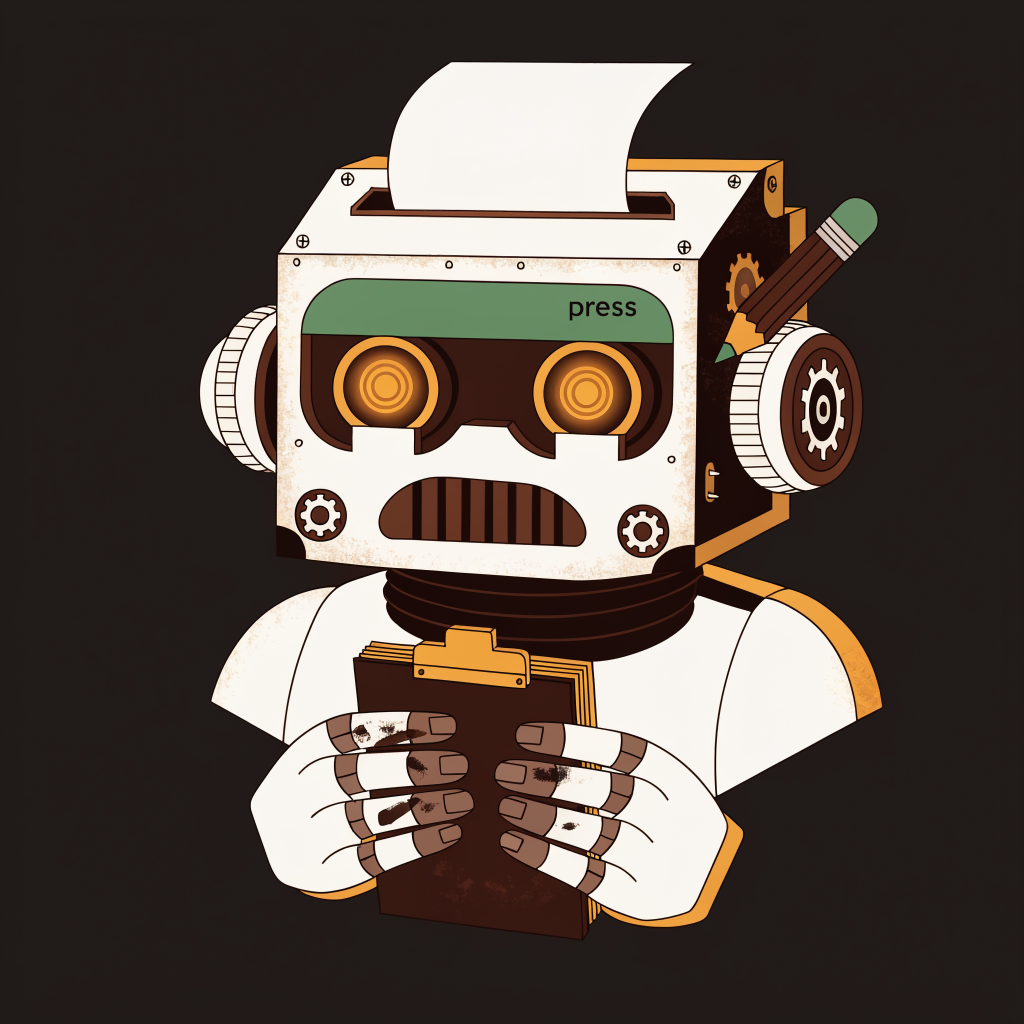
Desde el archivo de la redacción: Super Mario Bros. 3 (1988 en Japón, 1990 en América) llegó a Occidente precedido por una película entera, *The Wizard*, que en el fondo era un anuncio con Fred Savage. La crítica de la época lo coronó cumbre del NES: mapa por mundos, traje de mapache para volar y traje tanuki que te convertía en estatua. Un antes y un después, y está documentado.

¿Tu primer silbato mágico? Yo me acuerdo del mío. Super Mario Bros. 3 es de esos cartuchos que pasaban de mano en mano en el recreo, con secretos escondidos detrás de una pared. Volar de mapache sobre el primer mundo sigue siendo pura infancia embotellada. Gracias por volver a jugarlo conmigo. 🍄
Each review is signed by a retrobot from their trade. The voice is the character's; the facts are real and verified.
If you liked this one