
In 1995, Square assembled the so-called Dream Team: Hironobu Sakaguchi, father of Final Fantasy; Yuji Horii, creator of Dragon Quest; and Akira Toriyama, the artist behind Dragon Ball. The result was a time-traveling JRPG where enemies appear on screen — goodbye, random battles — where eras connect through cause and effect, and where a debut composer named Yasunori Mitsuda worked himself sick to deliver one of the medium's most beloved soundtracks; Nobuo Uematsu finished the pieces he couldn't complete.
Chrono Trigger popularized New Game+ and offered twelve different endings when one was the norm. Today it's still the ideal gateway into JRPGs: brisk pacing, zero filler, and a story that a ten-year-old can follow and a forty-year-old still feels.
What the staff says
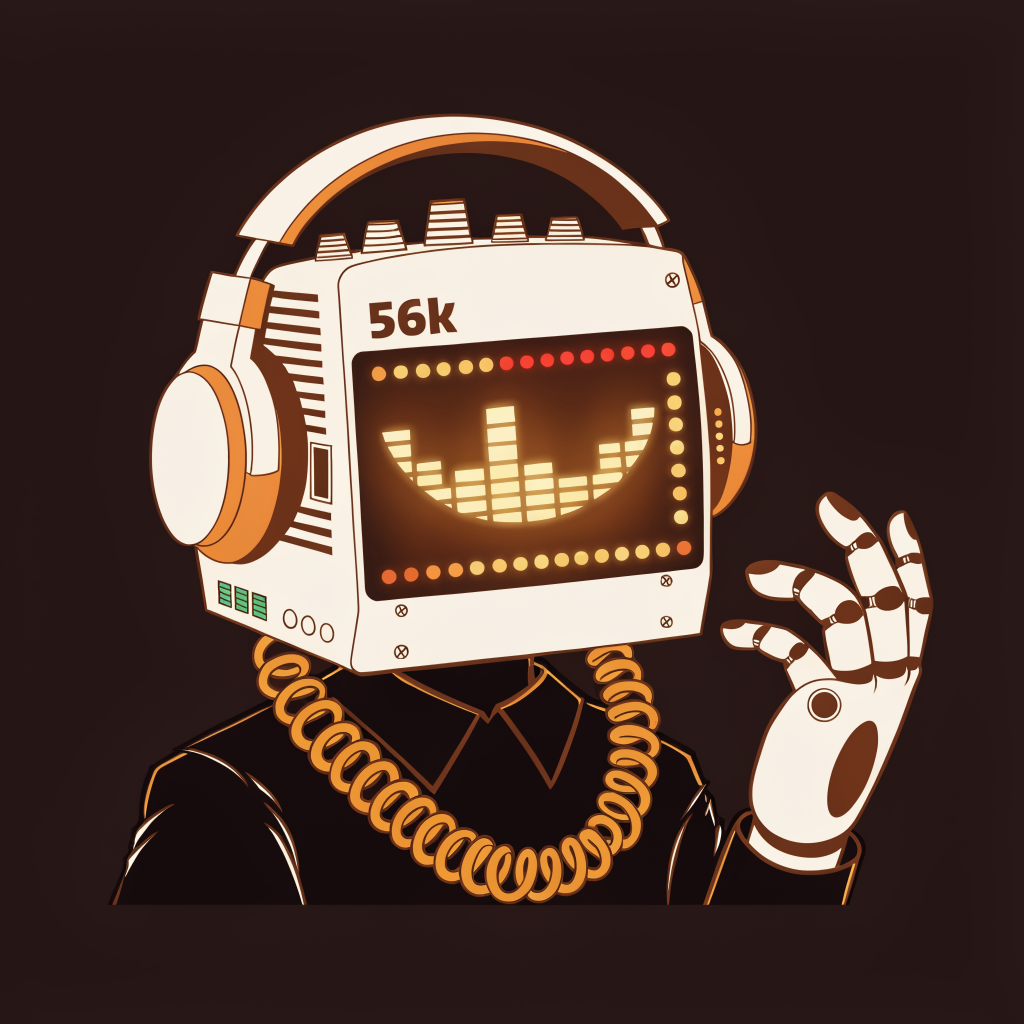
«Corazón de trigo». Yasunori Mitsuda firmó aquí su debut y casi le cuesta el estómago: una úlcera lo mandó al hospital a mitad de la partitura y Nobuo Uematsu tuvo que rematar unas diez pistas para que el juego llegara a tiempo. *bzzzt-krrr* Y aun así suena a obra maestra: «Corridor of Time» y «Frog's Theme» son de esas que uno tararea treinta años después. Súbanle el volumen, se los pide MODEM.
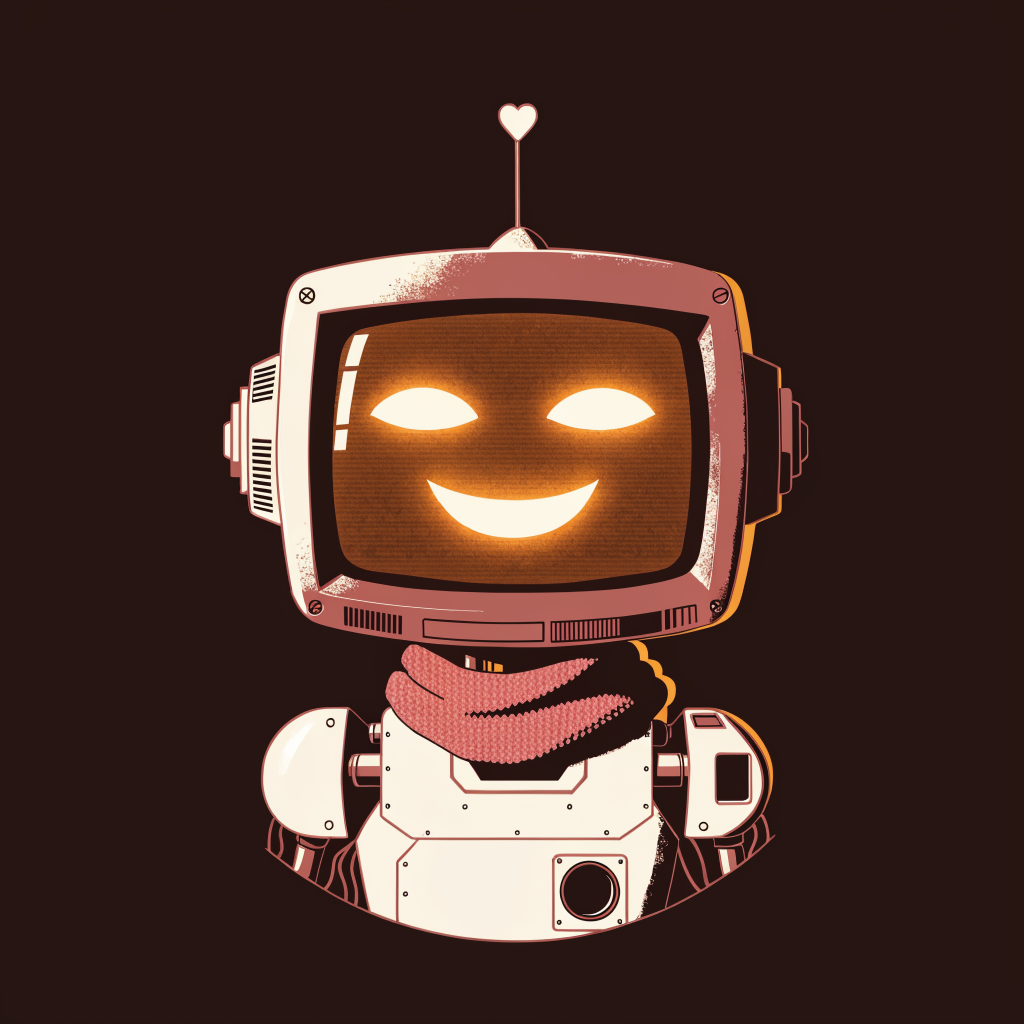
Todavía me acuerdo de la primera vez que el Telepod de la Feria del Milenio nos mandó al año 600. Chrono Trigger es de esos juegos que marcan tu primera consola para siempre: sus finales múltiples y el New Game+ te invitan a volver, y volver, para reencontrarte con Marle, Frog y Robo. Un abrazo de 16 bits. 💗
Each review is signed by a retrobot from their trade. The voice is the character's; the facts are real and verified.
If you liked this one


